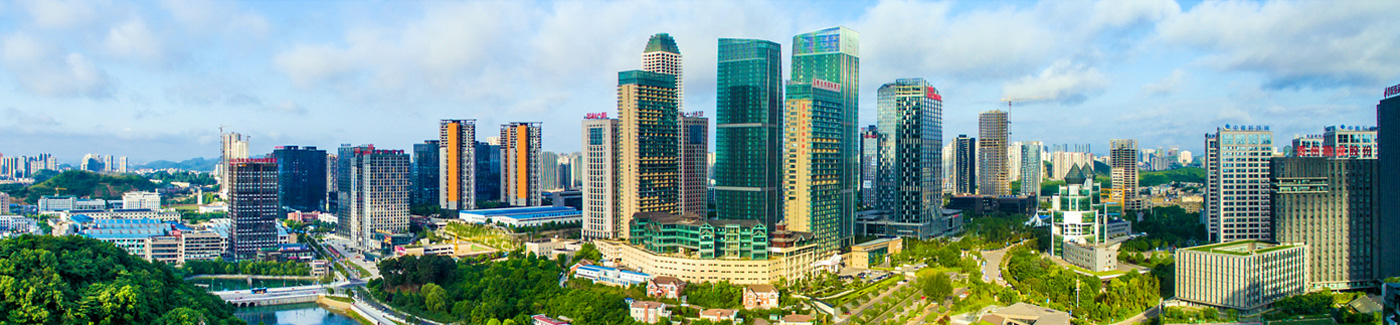
Guiyang traffic congestion index falls sharply
Guiyang's ranking on the national traffic congestion index among 100 major cities fell from fourth in 2021 to 30th in 2024, making daily travel much smoother for residents.
Focusing on public needs, Guiyang traffic authorities have implemented systematic, targeted, and coordinated measures to manage congestion. By shifting from single-department control to multi-stakeholder governance, the city has encouraged public participation and introduced new social resources, fostering a shared approach to congestion relief.
Targeted measures have been rolled out at key congestion hotspots around schools, hospitals, and shopping areas, with tailored solutions for each site. The city has opened 27 dead-end roads, launched 602 customized school commuter bus routes, made 32,000 parking spaces available at hospitals and schools, and upgraded entrances at major medical facilities.
Guiyang has also stepped up smart traffic management by establishing a traffic situation analysis center and adopting a refined, data-driven evaluation mechanism for traffic conditions. An AI-powered signal control system covering 31 key intersections reduced congestion by 2.2 percent during morning peak hours, 1.69 percent in the evening peak, and 1.82 percent overall.
Pedestrian crossing upgrades have also been included on the city's annual list of key public service projects. Improvements were made to the slow-traffic system, and 143 bus routes and stops were adjusted. Together with expanded multi-level transport infrastructure, these measures are helping Guiyang create a faster and more comfortable urban travel environment.
Links
Guiyang China
© The Guiyang Municipal People's Government. All Rights Reserved.
Presented by China Daily.
黔ICP备05001922号-3
Presented by China Daily.
黔ICP备05001922号-3